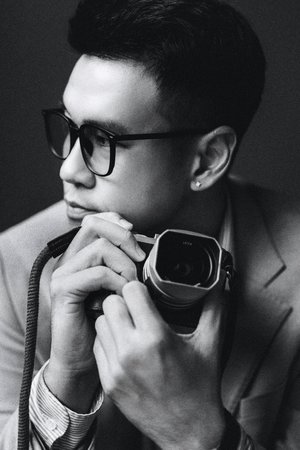
There is a small paradox in photographing weddings: we can spend a great deal of time learning to photograph an extraordinary day, while hardly photographing ordinary days at all. We wait for a beautiful wedding, a new location, an interesting couple. Then we expect ourselves to arrive with eyes ready to notice everything.
What keeps those eyes attentive between weddings?
For me, part of the answer lies close to home. A meal, a journey, people occupied with their own lives in the same room. Situations nobody has prepared for a camera. They offer a chance to practise something fundamental: noticing that something is happening before deciding whether it will make a beautiful photograph.
Without an obvious occasion
A wedding gives us plenty of reasons to pay attention. Clothes, flowers, ceremonies, stage lighting. There are moments when almost everyone knows to raise a camera.
Ordinary life provides fewer announcements. A conversation may end without a climax. Someone may finish their drink and leave. I have to ask what makes me want to keep looking: a hand repeatedly straightening another person’s collar, two people reacting alike across a room, a familiar space briefly changed by light.
That question follows me into weddings. It keeps me looking after the ceremony, during the waiting, when the couple are doing nothing that would appear on a list of important moments.
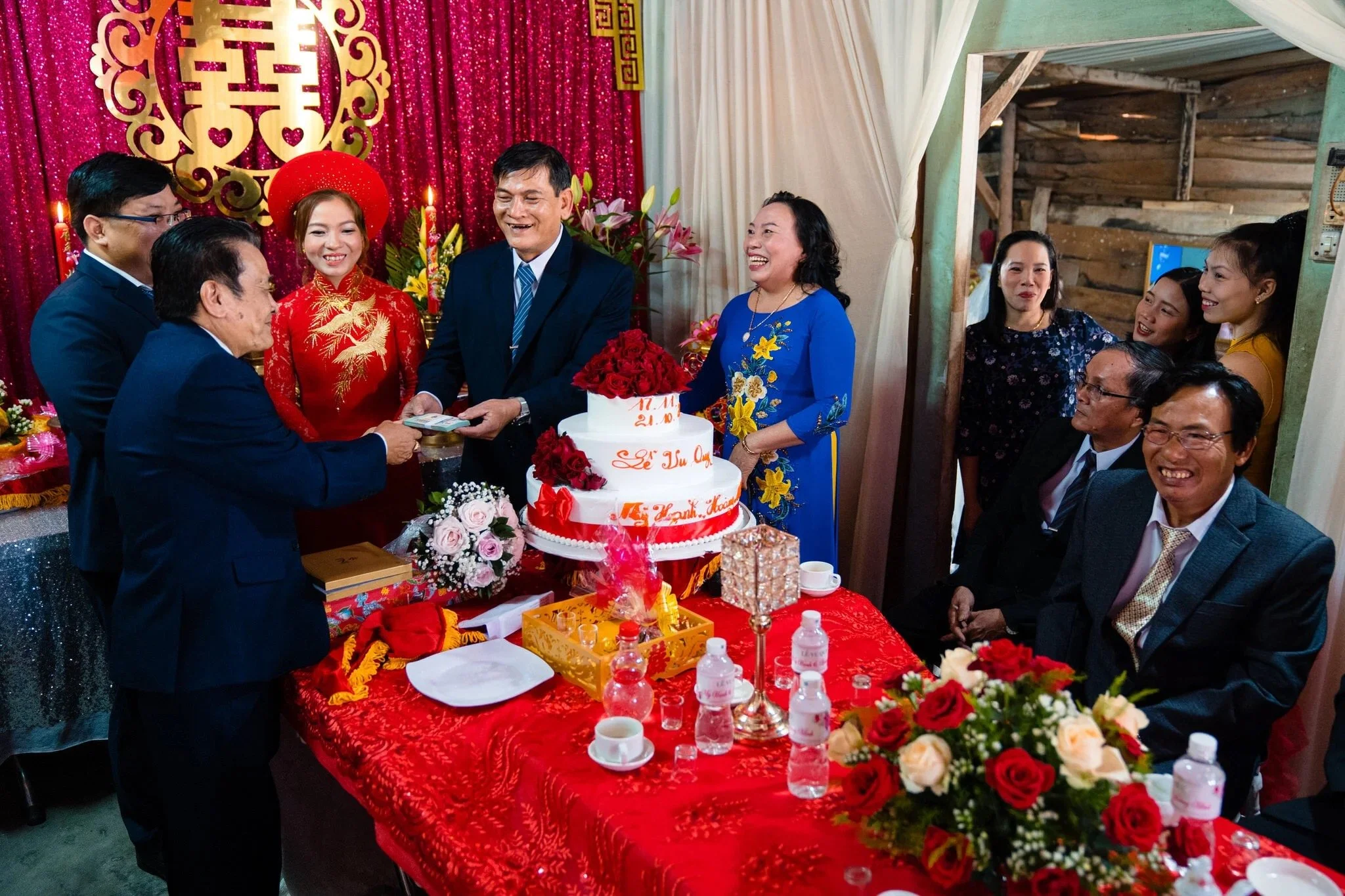
Stay long enough to understand a gesture
A touch on the shoulder might be reassurance, a reminder, affection, or a request to move aside. Recognising an action is not the same as understanding it.
With familiar people, there is time to see what comes before and afterwards. To learn who quietly takes care of others, who jokes when uncomfortable, who notices what someone needs. These things become legible through time together.
I cannot learn a family’s entire history in one wedding day. But observing ordinary life reminds me to look longer before assigning meaning to an expression. To listen when a story is offered. To watch the person receiving an embrace as well as the person giving it.
Sometimes that attention means lowering the camera. Being close to someone does not give me permission to record or publish everything about them.
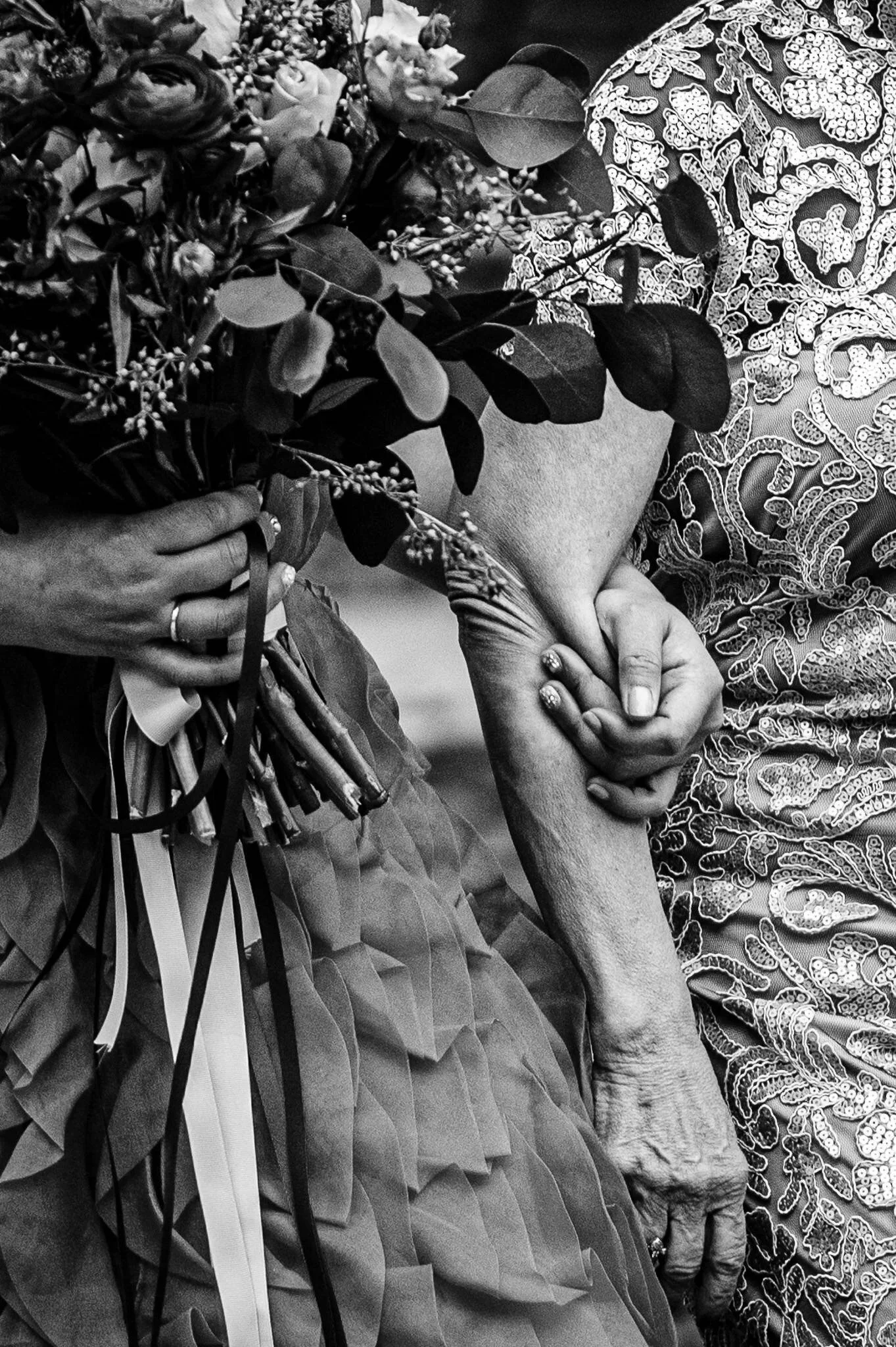
A familiar room can be difficult to see
At home, familiarity can make me overlook what is in front of me. Returning to the same place becomes an exercise in attention. How does the afternoon differ from the morning? What changes when another person arrives? Can an open doorway connect two things happening at once?
Technique belongs here too. Finding a position that separates a hand from the background. Choosing enough depth of field to keep someone behind it readable. Deciding whether a table helps connect the people in the frame.
Honesty still requires care. I want a photograph with clear intention and considered composition. Rather than asking people to rearrange their lives for the picture, I can change my position to understand what is already there.
Wait without demanding a result
Waiting is not always standing still. An action repeats and I prepare for its return. A story draws a table’s attention and I turn towards the listeners.
But I can also wait for the wrong thing. Beautiful light does not promise an interesting event. A child owes me no run through the spot I have chosen. Nobody needs to repeat a laugh because I missed it.
Ordinary life lets me practise accepting that. Sometimes there is no photograph. I can learn when to stay, when to change my approach, and when to put the camera away and join the people beside me.
A small practice for two weeks
Choose one familiar activity and return several times over two weeks: a family meal, a shop opening, the preparations for school, a street you often walk. Work somewhere you are welcome, explain your intention, and respect anyone who does not want to be photographed.
Instead of requiring an impressive image from every visit, look for something you missed before. Change position before changing equipment. Follow hands one day, listeners another. Leave more room around people and see what the space contributes.
At the end, select eight to twelve photographs. Compare similar frames. Which helps you understand a person, place or relationship? Which merely repeats a photographic habit you already enjoy?
If possible, ask the people in the pictures what they recognise. Your incidental detail may be a loved one’s unmistakable habit. Choosing photographs can teach you what to notice next time.
Bring that attention back to the wedding
Photographing family, streets or a personal project does not automatically make someone a better wedding photographer. Weddings bring responsibilities, technical demands and situations that cannot be repeated.
But working between weddings can make me less dependent on what the occasion provides. I can recognise a father being a father before seeing him as someone to include in the coverage. I can see a home as somewhere a family lives before looking for its tidiest corner.
I want to bring attention to the particular people in front of me. That attention needs care on days when nobody has hired me to photograph them, too.
If I always wait for a special occasion to pick up a camera, I may also learn to wait for life to become different before considering it worth a closer look. Yet so much of what makes a photograph particular is already happening on the days when I think there is nothing to photograph.
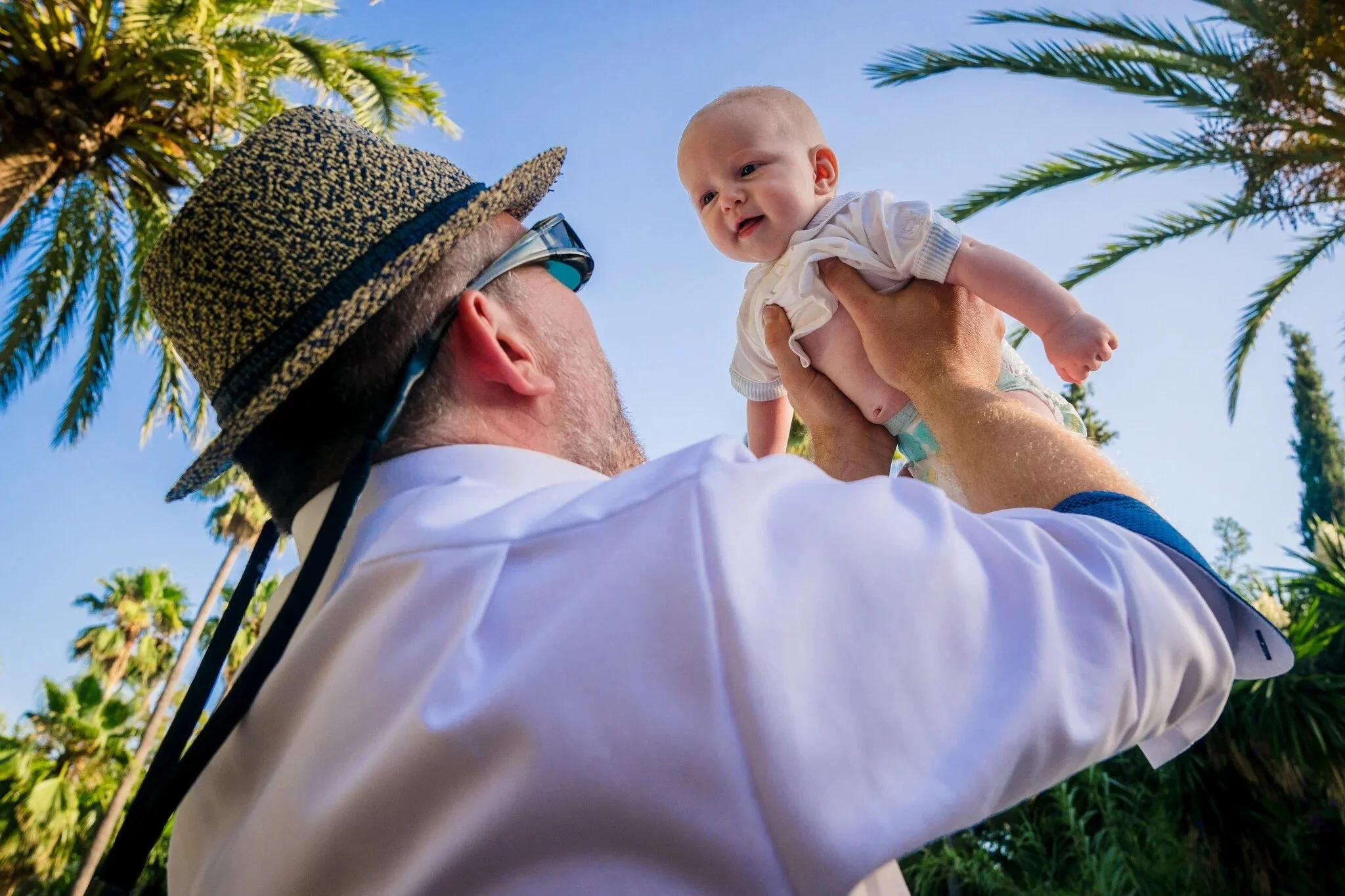
Further reading: Alex Webb & Rebecca Norris Webb — Finding Your Vision · Two Mann — Photography for Life.
Photographs throughout this essay are from weddings already in my archive.
Có một nghịch lý trong nghề chụp cưới: mình có thể dành rất nhiều thời gian học cách chụp một ngày đặc biệt, nhưng lại gần như không chụp những ngày bình thường. Chờ một đám cưới đẹp, một địa điểm mới, một cặp đôi thú vị. Rồi đến lúc cầm máy, mình mong bản thân đủ nhạy để nhận ra tất cả những điều đang diễn ra trước mắt.
Nhưng sự nhạy cảm ấy được nuôi bằng gì trong những ngày không có đám cưới?
Mình nghĩ câu trả lời nằm ở những gì gần mình nhất. Một bữa cơm. Một chuyến xe. Người nhà đang làm việc riêng trong cùng một căn phòng. Những cảnh chẳng ai nghĩ cần phải chuẩn bị để được chụp. Chính ở đó, mình có cơ hội học một điều rất căn bản: nhận ra một chuyện đang xảy ra, trước khi nghĩ xem nó có trở thành một bức ảnh đẹp hay không.
Khi không có gì “đặc biệt” để chụp
Trong một đám cưới, rất nhiều thứ đã giúp mình chú ý sẵn. Trang phục, hoa, nghi lễ, ánh sáng sân khấu. Có những thời điểm mà gần như ai cũng biết nên đưa máy lên.
Đời thường ít cho mình những dấu hiệu rõ ràng như vậy. Không có tiếng MC mời mọi người hướng về sân khấu. Một cuộc trò chuyện có thể kết thúc mà không có cao trào. Người mình đang chụp có thể chỉ ngồi đó, uống hết ly nước rồi đứng dậy.
Lúc ấy, mình phải tự hỏi: điều gì khiến mình muốn ở lại nhìn thêm? Một bàn tay cứ sửa cổ áo cho người bên cạnh? Hai người ngồi xa nhau nhưng phản ứng giống hệt nhau khi nghe một câu chuyện? Hay cách ánh sáng làm căn phòng quen thuộc trông khác đi trong vài phút?
Câu hỏi đó đi cùng mình vào đám cưới. Nó giúp mình tiếp tục quan sát khi phần nghi lễ đã xong, khi mọi người đang chờ, khi cô dâu chú rể tạm thời chẳng làm gì đáng gọi là một “khoảnh khắc lớn”.
Ở gần đủ lâu để hiểu một cử chỉ
Một cái chạm vai có thể là lời nhắc, sự trấn an, thói quen thân mật, hoặc đơn giản chỉ để người kia tránh sang một bên. Nhìn thấy động tác chưa có nghĩa là hiểu được chuyện đang xảy ra.
Khi chụp những người quen, mình có cơ hội biết điều gì xảy ra trước và sau cử chỉ đó. Mình nhận ra ai thường chủ động chăm sóc, ai hay giấu sự bối rối bằng một câu đùa, ai im lặng nhưng luôn để ý người khác cần gì. Đó là những điều cần thời gian ở bên nhau mới hiểu được.
Ở một đám cưới, mình không thể biết hết lịch sử của một gia đình chỉ trong một ngày. Nhưng thói quen quan sát đời sống nhắc mình đừng vội gán ý nghĩa cho một biểu cảm. Hãy nhìn thêm. Nghe câu chuyện nếu được chia sẻ. Chú ý người nhận cái ôm, chứ không chỉ người đang ôm.
Và có lúc, sự chú ý đúng đắn nhất là hạ máy xuống. Thân thiết với người mình chụp không đồng nghĩa với việc mình được phép ghi lại và công khai mọi điều về họ.
Căn phòng quen thuộc cũng có thể làm mình khó chụp
Điều khó khi chụp ở nhà là mình dễ tưởng đã biết ở đó có gì. Mắt lướt qua những thứ quá quen. Cầm máy lên rồi lại thấy chẳng có gì để chụp.
Mình thích nghĩ việc quay lại cùng một nơi là một cách thử sự chú ý. Buổi sáng khác buổi chiều ở đâu? Khi có thêm một người, cách mọi người ngồi và nói chuyện thay đổi thế nào? Một cánh cửa mở ra có giúp mình nhìn được hai chuyện cùng lúc không?
Đây cũng là nơi kỹ thuật phải làm việc. Tìm vị trí để một bàn tay không lẫn vào nền. Chọn độ sâu trường ảnh để người ở phía sau còn đủ rõ. Quyết định có giữ chiếc bàn trong khung hình vì nó đang nối các nhân vật với nhau hay không.
Chân thật không có nghĩa là cẩu thả. Mình vẫn cần làm một bức ảnh rõ ý, có bố cục, có lựa chọn. Chỉ là thay vì yêu cầu mọi người sắp xếp lại cuộc sống cho vừa khung hình, mình tìm cách sắp xếp vị trí của mình để hiểu cuộc sống ấy hơn.
Học cách chờ mà không ép một chuyện phải xảy ra
Biết chờ không phải lúc nào cũng là đứng thật lâu ở một chỗ. Có khi mình thấy một hành động đang lặp lại và chuẩn bị sẵn cho lần tiếp theo. Có khi một câu chuyện khiến cả bàn bắt đầu chăm chú, và mình biết nên nhìn sang người đang nghe.
Nhưng mình cũng có thể chờ sai. Một cảnh có ánh sáng đẹp chưa chắc sẽ có điều gì đáng chụp. Một đứa trẻ không có nghĩa vụ phải chạy qua đúng chỗ mình đã chọn. Người thân không cần cười thêm lần nữa vì mình vừa bỏ lỡ.
Chụp đời thường cho mình nhiều dịp đối diện với chuyện đó. Không có bức ảnh cũng là một kết quả có thể chấp nhận. Mình được tập nhận ra khi nào nên ở lại, khi nào nên đổi cách nhìn và khi nào nên cất máy để trở về với những người đang ở đó.
Một việc nhỏ để thử trong hai tuần
Nếu muốn luyện tập, bạn có thể bắt đầu bằng một hoạt động quen thuộc và quay lại với nó vài lần trong hai tuần: bữa cơm nhà, buổi mở cửa hàng, lúc chuẩn bị đi học, hoặc một góc phố bạn thường đi qua. Chọn nơi mình được chào đón, nói rõ ý định và tôn trọng người không muốn xuất hiện trong ảnh.
Đừng yêu cầu mỗi lần chụp phải mang về một tấm thật ấn tượng. Thay vào đó, thử tìm một điều lần trước mình chưa nhận ra. Đổi vị trí trước khi đổi thiết bị. Có buổi chỉ theo dõi bàn tay; có buổi để ý người đang nghe; có buổi giữ lại nhiều không gian hơn để xem căn phòng kể thêm được điều gì.
Cuối hai tuần, chọn tám đến mười hai ảnh. Đặt những ảnh na ná nhau cạnh nhau và hỏi: tấm nào cho mình hiểu thêm về người này, nơi này, hoặc mối quan hệ giữa họ? Tấm nào chỉ đang lặp lại một cách chụp mình vốn thích?
Nếu được, hãy hỏi người trong ảnh họ nhận ra điều gì. Có thể thứ mình xem là chi tiết phụ lại là một thói quen rất riêng của người họ yêu. Đó là lúc việc chọn ảnh dạy mình thêm về việc chụp.
Mang sự chú ý ấy trở lại ngày cưới
Chụp gia đình, đường phố hay một dự án cá nhân không tự động khiến ai trở thành photographer chụp cưới tốt. Ngày cưới còn có trách nhiệm với khách hàng, nhịp làm việc, kỹ thuật và những tình huống không cho mình cơ hội thử lại.
Nhưng mình tin việc chụp khi không có đám cưới có thể giúp mình bớt phụ thuộc vào những gì một đám cưới bày sẵn. Mình bắt đầu nhận ra một người cha trong lúc ông đang làm cha, trước khi chỉ nhìn ông như một nhân vật cần có mặt trong bộ ảnh. Mình nhìn căn nhà như nơi một gia đình đang sống, trước khi tìm xem góc nào gọn nhất.
Điều mình muốn mang đến một đám cưới là khả năng chú ý đến những con người cụ thể đang ở đó. Khả năng ấy cần được chăm sóc cả trong những ngày không ai thuê mình chụp.
Bởi khi đã quen chờ một dịp thật đặc biệt mới cầm máy, có thể mình cũng đang quen chờ cuộc sống trở nên khác đi mới thấy nó đáng được nhìn kỹ. Trong khi rất nhiều điều làm một bức ảnh trở nên riêng biệt vẫn đang diễn ra, ngay trong những ngày mình tưởng chẳng có gì.
Đọc thêm: Alex Webb & Rebecca Norris Webb — Finding Your Vision · Two Mann — Photography for Life.
Ảnh minh họa trong bài được chọn từ những bộ ảnh cưới đã có trong kho ảnh của mình.