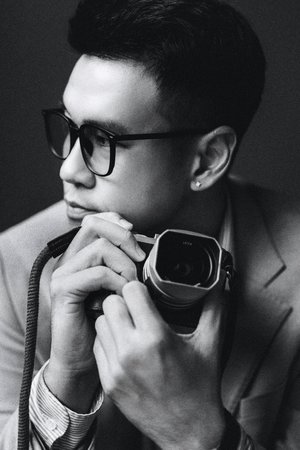
Seven ways to organise a frame when you cannot ask people to stop and do it again.
In documentary photography, I rarely get to choose where a story happens. An embrace may unfold beside a crowded cupboard. A father sits in a dark corner with a bright doorway behind him. The bride turns towards her mother just as someone crosses the frame.
There is little time to arrange anything. But I can still choose where to stand, when to release the shutter and what to include. Composition begins with those decisions: directing attention, keeping useful details and making relationships readable. Here are seven approaches to practise at weddings and beyond.
1. Rule of thirds: Leave room for what is happening
Imagine two vertical and two horizontal lines dividing the frame into nine equal rectangles. Placing a subject near those lines is a useful starting point.
But moving the bride to the left only helps if the right side has a reason to exist. If she is looking at her mother, that space might include her mother or make the direction of her attention clear. If she is entering a room, space ahead can make the movement easier to read.
Leaving very little room in front of someone’s gaze can feel confined or tense. That can work, too, if it is intentional. Thirds are a guide to distributing space, not compulsory coordinates for someone’s eyes.
Try this: Before placing someone on a strong point, ask what the rest of the frame contributes.
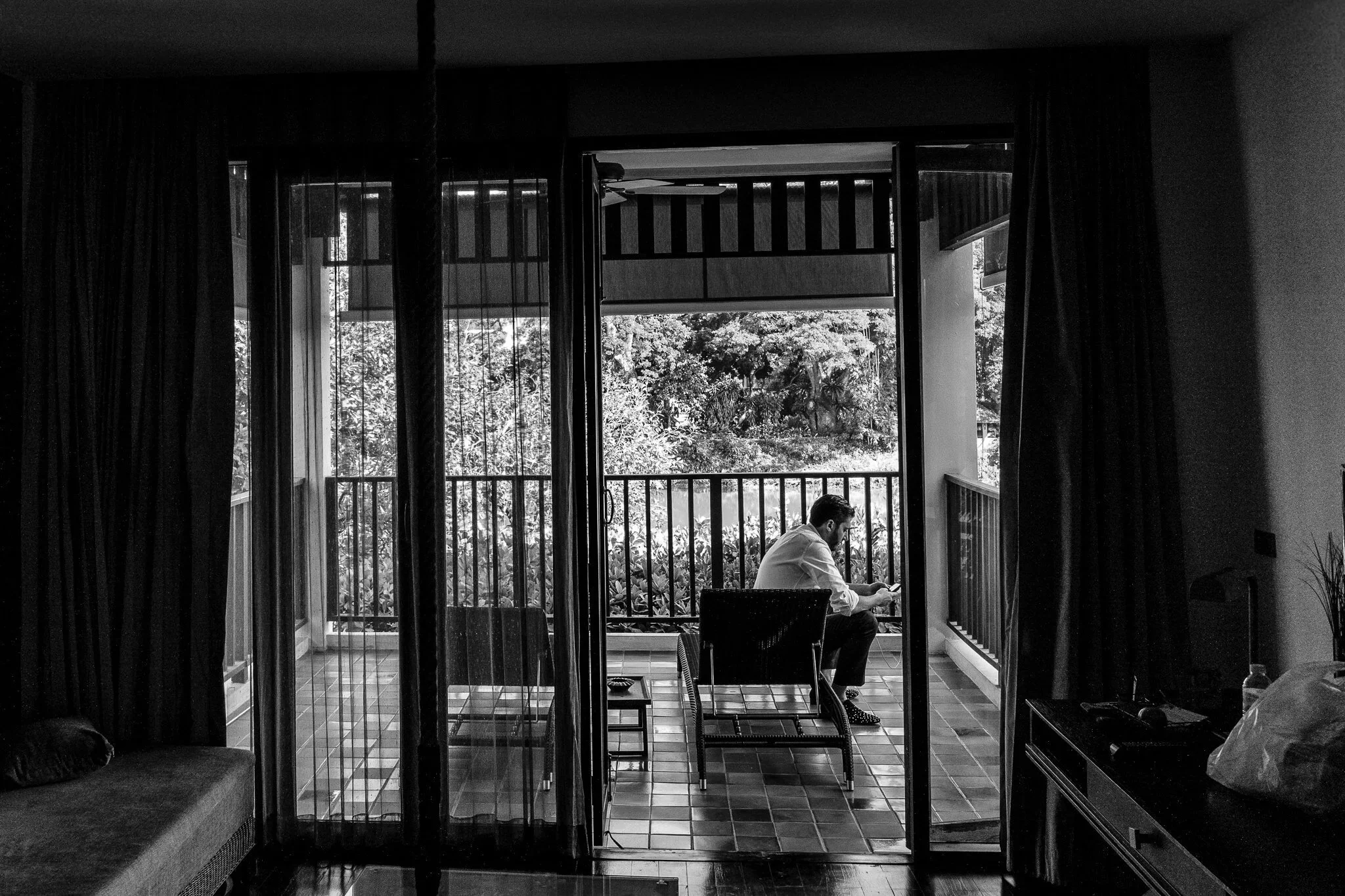
2. Central composition: Give the action an anchor
Sometimes the centre is the clearest choice. A person at the end of a corridor, a bride between two doors, or two hands directed towards one small action. When architecture, light or surrounding details reinforce a focal point, a central placement can feel strong.
Watch the background. A vertical line behind a head, half a person leaning into view or a bright object at the edge can undermine that concentration.
With symmetrical architecture, a small sideways movement can upset the balance. Establish your position carefully, then wait. Central does not have to mean perfectly symmetrical: the two sides can differ while the action remains anchored on the middle axis.
Try this: Find a clear structure and wait for someone to enter it. Do not ask them to walk through again to complete the composition.
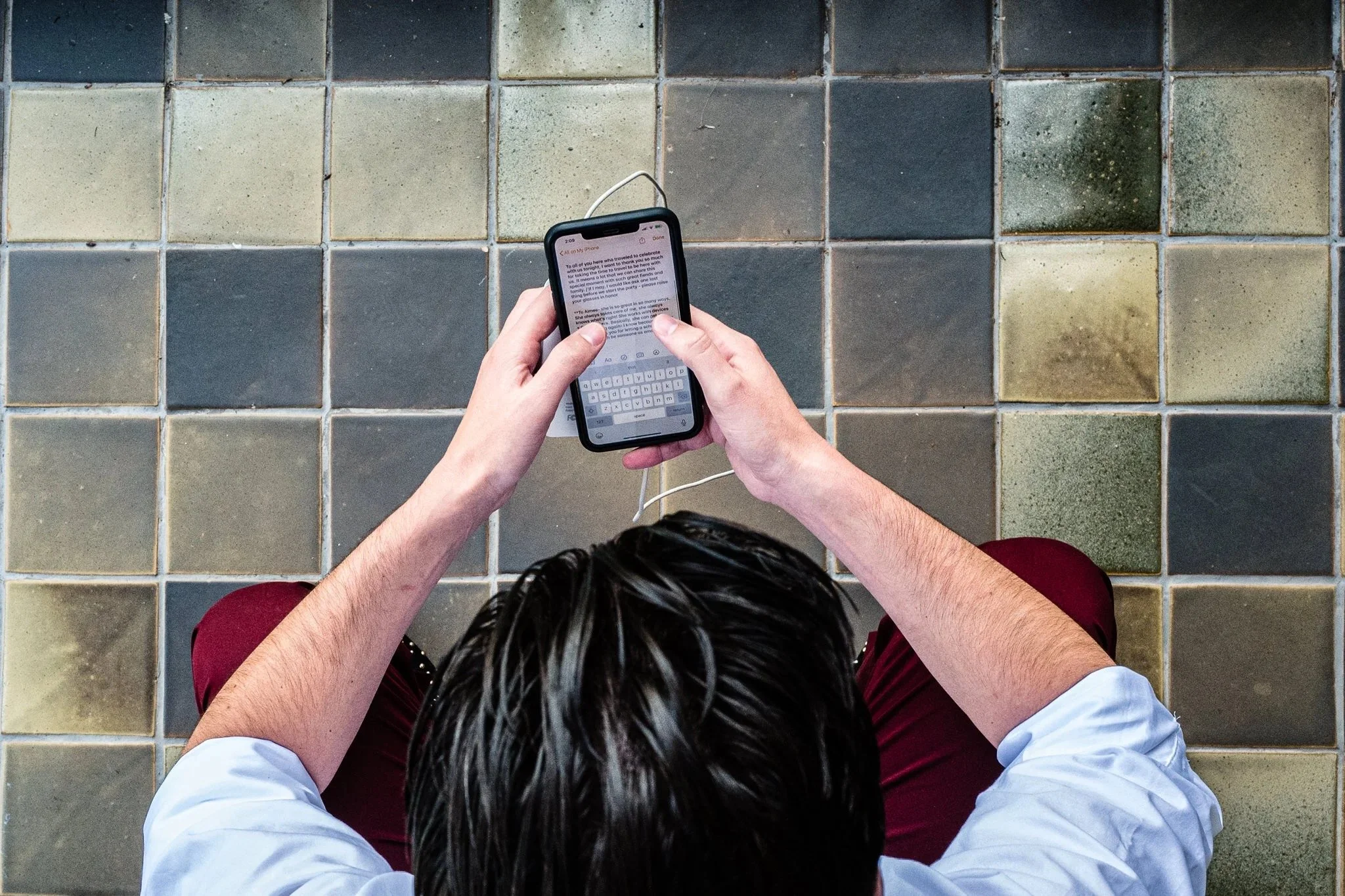
3. Leading lines: Give the eye a route
Stairs, table edges, rows of chairs, corridors and arms reaching towards the bride can all create routes through a photograph. A useful line brings attention towards something important. A line that exits the frame or ends at an unrelated detail may lead attention away instead.
People create directions as well: through a glance, an arm or the way a group stands. These arrangements shift constantly and may last only an instant.
Do not assume this requires a wide lens at close range. A close camera position exaggerates differences in near and far sizes. Check the angle of the camera and the placement of faces near the edges for distracting distortion.
Try this: Follow the frame from its edges inward. What leads towards the subject, and what leads away?
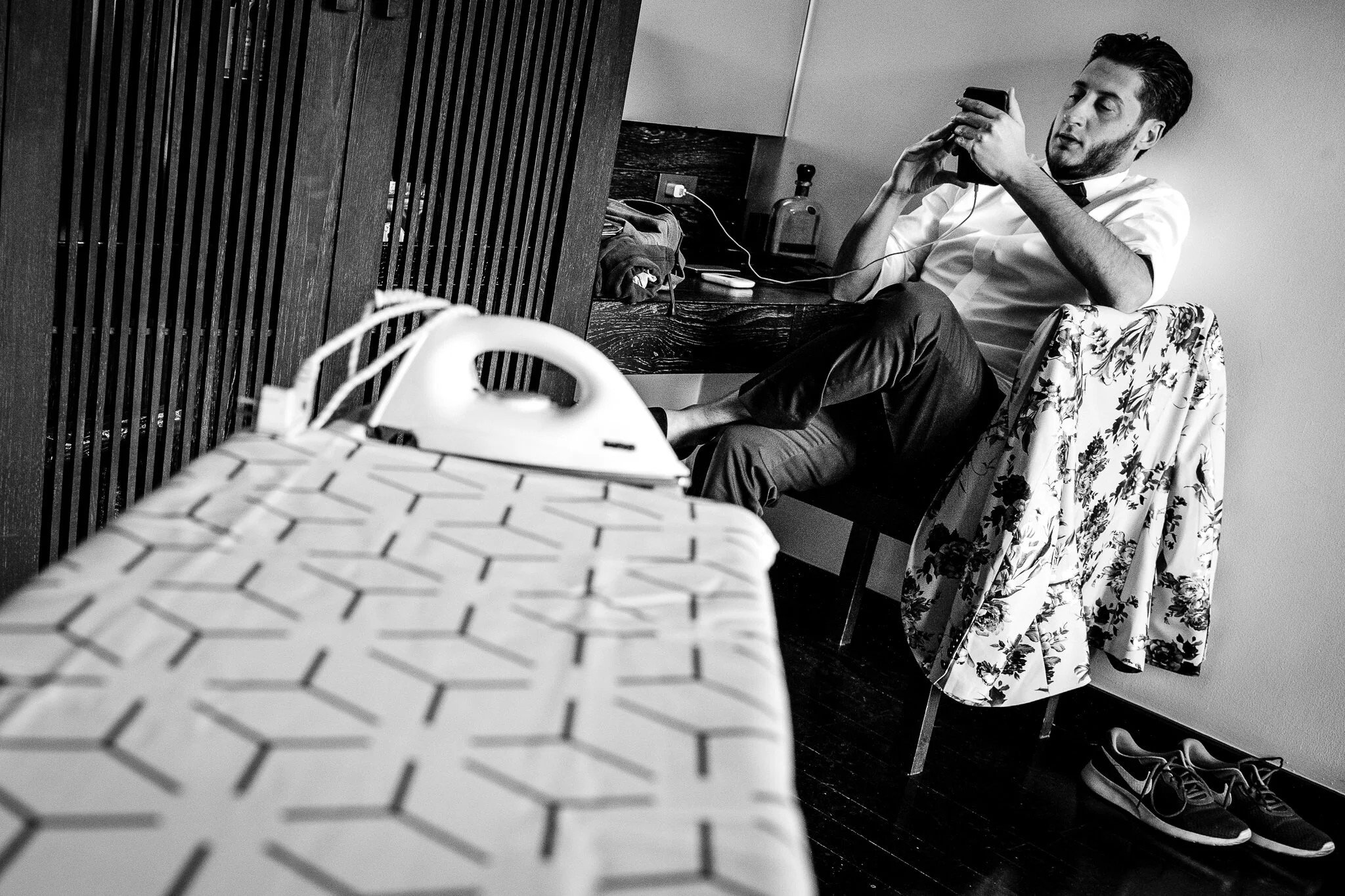
4. Frame within a frame: Look through another space
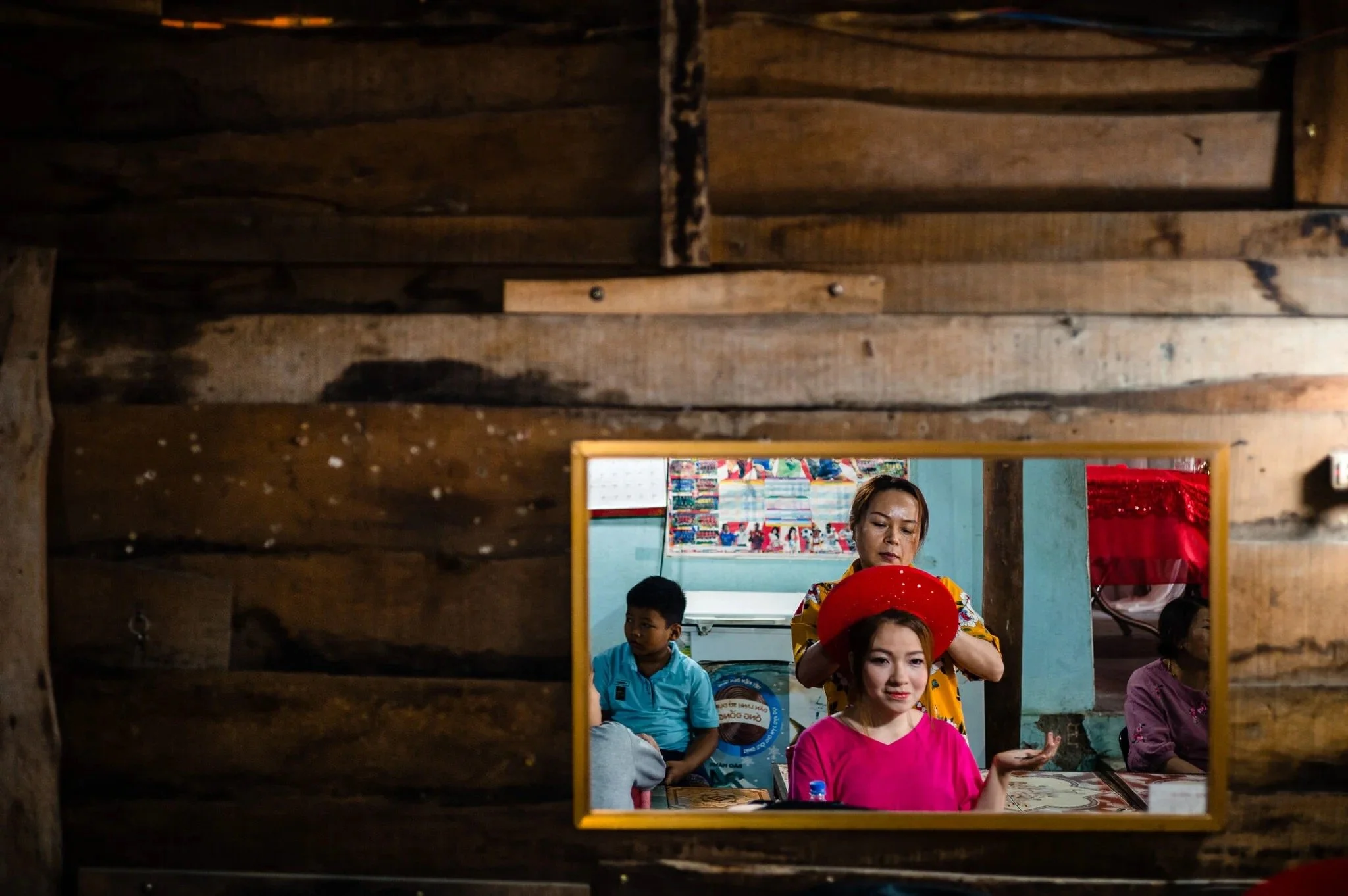
Doors, windows, mirrors, curtains and gaps between people can create a smaller frame inside the photograph. In a crowded room, a doorway or mirror can narrow attention to a more useful part of the scene.
The extra frame can also obstruct. A door edge crosses a face, darkness takes over the picture or a bright patch outside competes with the person inside.
With mirrors, inspect the reflection as carefully as the rest of the photograph. Have you also included yourself, a light or another distracting detail?
Try this: Move slowly sideways and watch the gap open and close around the subject. A small change of position can separate a clear photograph from a confusing one.
5. Layers: Keep more than one action readable
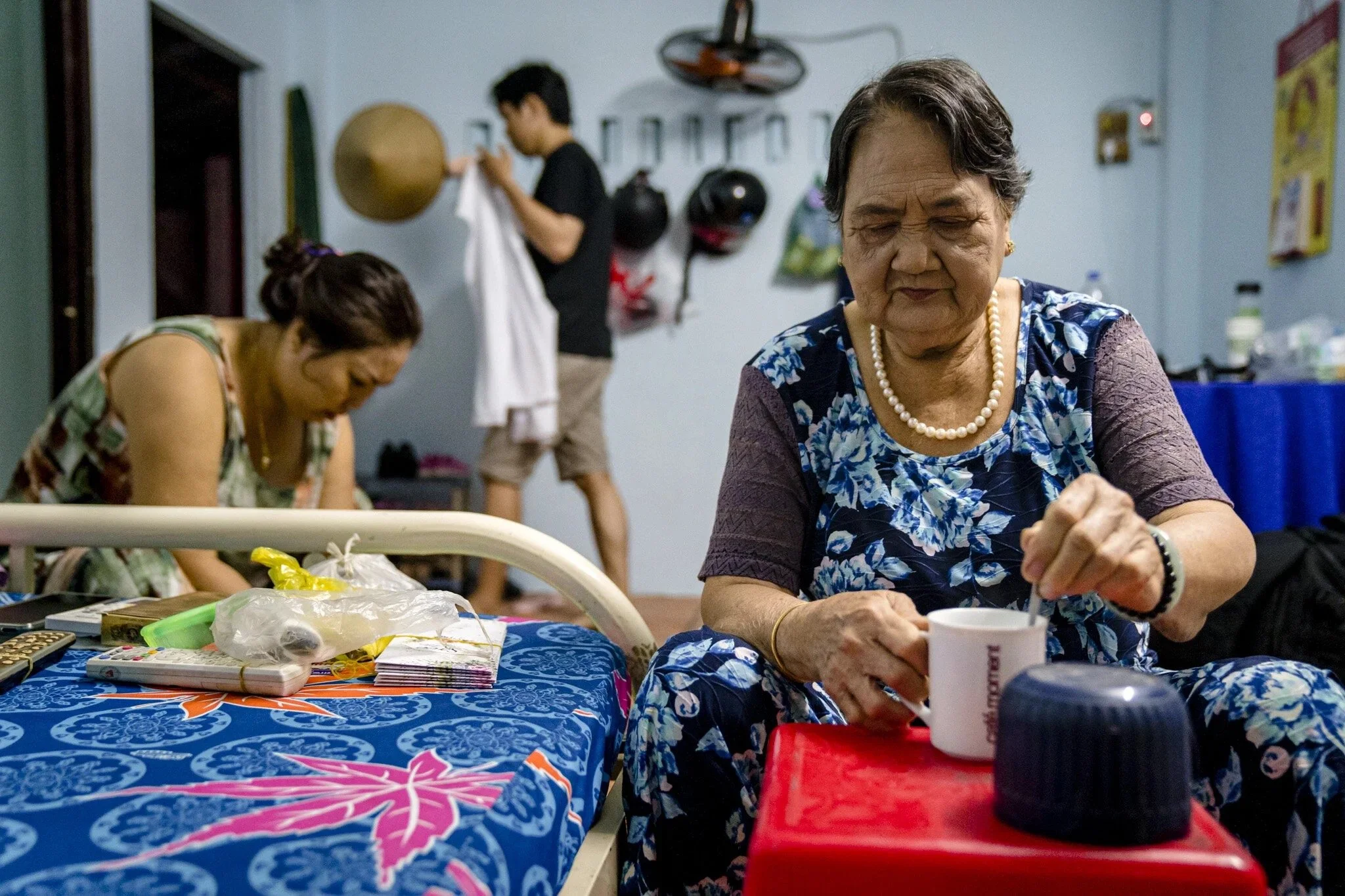
A foreground, middle ground and background can carry several activities in one photograph. Imagine hands adjusting a bride’s clothes nearby, her face in the middle distance and someone waiting by a door behind her. That is an example to visualise, not a required arrangement.
Three layers do not automatically make a good photograph. Each needs to be readable and contribute. I check whether bodies overlap confusingly, whether brightness is unevenly distracting and whether the depth of field preserves the information I need.
If the people near and far both matter, a very wide aperture may erase part of the story. Stopping down can help, while maintaining a shutter speed suitable for movement and raising ISO if necessary. Subject distance, focal length and focus placement also affect depth of field; aperture is not the only choice.
Try this: Start with two layers. Separate them through your position before trying to add a third.
6. Triangles: Connect points of attention
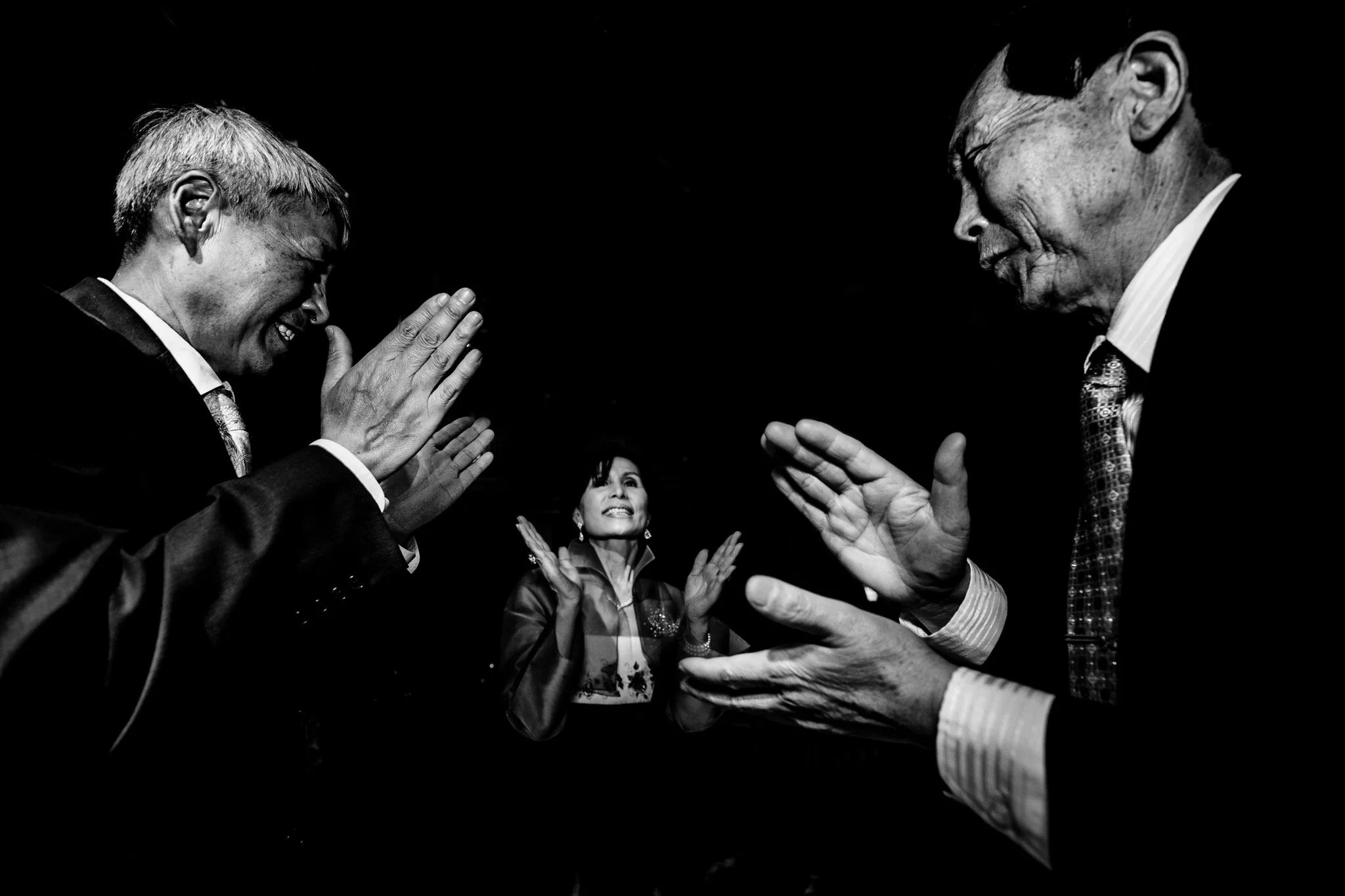
Three faces, hands or groups can form a triangular arrangement that keeps attention moving within a photograph. The triangle need not be geometrically perfect. What matters is whether its points connect through action, gaze or reaction.
A speaker, someone laughing and a quiet listener may offer more than three faces turned towards the camera. But three people alone do not establish a triangle: if their main points fall almost on one straight line, the structure is weak.
Camera height changes how the arrangement reads. A low viewpoint can hide people behind others; a slightly higher one may separate their faces.
Try this: When two people interact, look for a third person. Does their reaction change your understanding of the scene?
7. Negative space: Give a small action room
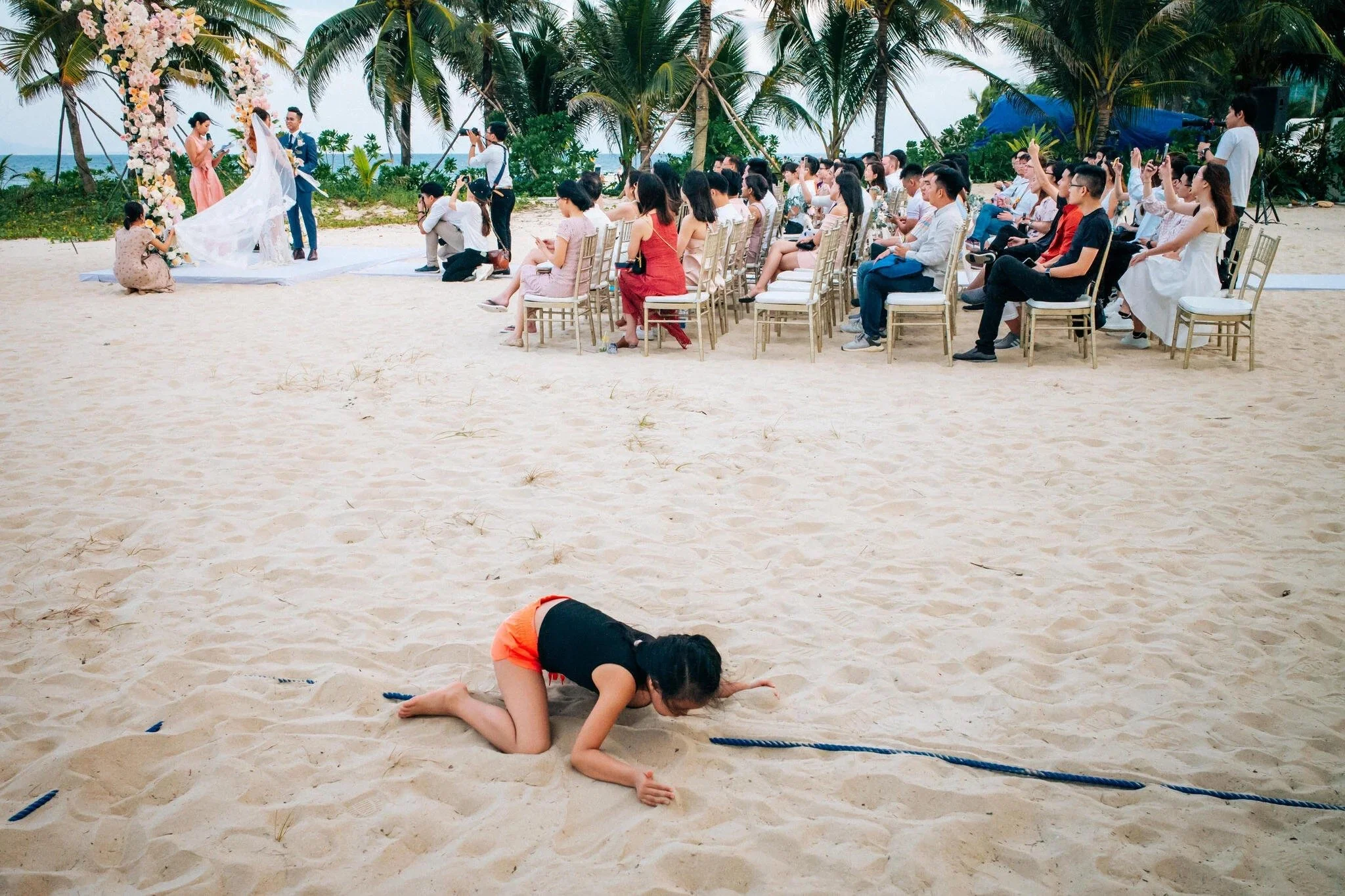
A small person in a large room. Two people beside each other among empty chairs. A hand touching another across a broad table. Quiet areas can make a small action easier to notice while revealing the scale and character of a place.
Space can also separate two activities within one photograph. A clear floor, stretch of sand or simple wall gives the eye a pause and makes each part easier to distinguish.
Empty does not mean unchecked. A socket, a bright patch or an object at the edge can still compete. If people become too small, an important gesture may disappear on a phone. Decide whether the picture depends on an expression, an action or the relationship between people and their surroundings.
Try this: View the picture small. If the action disappears, move closer or wait for a clearer gesture.
One check before releasing the shutter
After finding the subject, take a quick look around all four edges. Is a hand cut awkwardly? Has half a face entered the side? Does a bright object pull attention away? Are two people actually touching, or merely overlapping from this position?
Then try one step left or right, or a change of camera height. Changing focal length changes framing and subject size. Moving the camera also changes how near and far details overlap. In a crowded scene, that second change often solves the confusion.
Practise separately, then return your attention to people
Spend one session separating people from backgrounds. In another, look for leading lines. Next time, try to keep two activities readable in one frame. Practising one thing at a time helps you recognise problems faster when photographing real events.
An embrace will not wait for you to complete a leading line. A father does not have to stand on a thirds intersection to deserve a photograph.
Composition helps clarify what is happening. To use it well, I still have to notice what is happening first.
Examples selected from five wedding stories in my archive. The captions describe visible composition; they do not imply camera settings or explain what anyone was feeling.
Bảy cách tổ chức khung hình khi bạn không thể yêu cầu mọi người đứng lại và làm thêm lần nữa.
Trong ảnh phóng sự, mình thường không được chọn nơi câu chuyện xảy ra. Một cái ôm có thể diễn ra sát chiếc tủ đầy đồ. Người cha ngồi ở góc tối, trong khi phía sau là cánh cửa sáng trắng. Cô dâu vừa quay sang mẹ thì một người khác bước ngang khung hình.
Không có nhiều thời gian để sắp xếp. Nhưng mình vẫn được chọn vị trí, thời điểm và những gì sẽ nằm trong ảnh.
Với mình, bố cục bắt đầu từ những lựa chọn đó. Đưa mắt người xem đến đúng chỗ, giữ lại những chi tiết cần thiết và làm rõ mối quan hệ giữa chúng. Dưới đây là bảy cách người chụp có thể luyện tập khi làm ảnh phóng sự, đặc biệt trong ngày cưới.
1. Bố cục một phần ba: Chừa chỗ cho điều đang xảy ra
Hãy tưởng tượng khung hình được chia thành chín phần bằng nhau bởi hai đường dọc và hai đường ngang. Đặt nhân vật gần những đường chia ấy là một điểm bắt đầu dễ dùng.
Nhưng việc đặt cô dâu lệch sang trái chỉ có ích khi phần bên phải có lý do để tồn tại. Nếu cô dâu đang nhìn mẹ, mình muốn khoảng trống ấy giữ được người mẹ, hoặc ít nhất cho người xem cảm nhận được hướng nhìn. Nếu cô dâu đang bước vào phòng, phần không gian phía trước có thể giúp chuyển động dễ đọc hơn.
Ngược lại, đặt nhân vật sát mép phía họ đang nhìn có thể tạo cảm giác chật, bị chặn hoặc căng thẳng. Cách đó vẫn dùng được, miễn là mình có chủ ý. Các đường một phần ba là gợi ý để phân chia không gian, không phải những tọa độ bắt buộc phải đặt mắt hay gương mặt lên đúng.
Thử khi chụp: Trước khi đặt nhân vật vào một điểm mạnh, nhìn phần còn lại của khung hình và hỏi: khoảng trống này đang cho mình thêm thông tin gì?
2. Bố cục trung tâm: Khi mọi thứ cùng hướng về một điểm
Có những lúc đặt nhân vật hoặc hành động chính giữa là lựa chọn rõ ràng nhất. Một người đứng ở cuối hành lang. Cô dâu nằm giữa hai cánh cửa. Hai bàn tay cùng hướng vào một động tác nhỏ. Khi kiến trúc, ánh sáng hoặc các chi tiết xung quanh cùng hướng về một điểm, vị trí trung tâm có thể làm hình ảnh rất chắc.
Điều cần chú ý là hậu cảnh. Một đường dọc chạy ngay sau đầu, một người đứng lệch nửa thân hoặc một vật sáng ở mép ảnh có thể phá cảm giác tập trung ấy.
Với những cảnh có tính đối xứng, dịch người sang một bên chỉ vài centimet cũng khiến các đường kiến trúc mất cân bằng. Mình thường cần chỉnh vị trí thật kỹ, rồi chờ hành động xảy ra. Nhưng trung tâm không đồng nghĩa với đối xứng tuyệt đối: hai phía có thể khác nhau mà hành động chính vẫn được giữ trên trục giữa.
Thử khi chụp: Tìm một khung cảnh có cấu trúc rõ, đặt máy cân bằng và chờ người bước vào. Đừng yêu cầu họ đi lại chỉ để vừa bố cục.
3. Đường dẫn: Cho mắt người xem một lối đi
Đường dẫn có thể là cầu thang, mép bàn, hàng ghế, hành lang hoặc những cánh tay đang đưa về phía cô dâu. Một đường dẫn hiệu quả giúp mắt đi đến phần quan trọng của ảnh. Nếu đường ấy dẫn thẳng ra ngoài khung hình, hoặc kết thúc ở một chi tiết không liên quan, nó có thể làm người xem bỏ qua điều mình muốn kể.
Trong ngày cưới, mình chú ý cả những hướng được tạo bởi con người: hướng nhìn, cánh tay, cách mọi người đứng thành một hàng. Những yếu tố ấy thay đổi liên tục và đôi khi chỉ tồn tại trong một thoáng.
Về kỹ thuật, đừng mặc định phải dùng góc rộng và đứng thật gần. Khoảng cách chụp gần làm chênh lệch kích thước gần–xa rõ hơn; cách đặt máy và vị trí nhân vật sát rìa cũng cần được kiểm tra để tránh biến dạng khó chịu.
Thử khi chụp: Nhìn từ mép khung vào trong. Chi tiết nào đang đưa mắt đến nhân vật? Chi tiết nào đang kéo mắt đi mất?
4. Khung trong khung: Nhìn qua một lớp không gian
Cửa phòng, cửa sổ, gương, rèm hoặc khoảng hở giữa hai người đều có thể tạo thành một khung nhỏ bên trong ảnh. Cách này hữu ích trong những căn phòng nhiều đồ. Thay vì cố đưa cả căn phòng vào, mình có thể chụp qua một cánh cửa hoặc nhìn vào một tấm gương để thu gọn phần người xem cần chú ý.
Nhưng khung phụ cũng dễ trở thành vật cản. Mép cửa cắt ngang mặt, phần tối chiếm quá nhiều diện tích, hoặc một khoảng sáng bên ngoài nổi bật hơn nhân vật bên trong.
Nếu dùng gương, cần kiểm tra kỹ hình phản chiếu: ngoài nhân vật, mình có đang đưa thêm người chụp, đèn hoặc những chi tiết gây phân tâm vào ảnh không?
Thử khi chụp: Di chuyển ngang chậm một chút. Quan sát cách khoảng hở mở ra và khép lại quanh nhân vật. Một thay đổi nhỏ về vị trí có thể quyết định ảnh rõ hay rối.
5. Bố cục nhiều lớp: Giữ được nhiều chuyện trong cùng một ảnh
Một lớp gần máy, một lớp ở giữa và một lớp phía xa có thể giúp bức ảnh cho thấy nhiều hoạt động cùng lúc. Chẳng hạn, phía trước là bàn tay đang sửa áo cho cô dâu; ở giữa là gương mặt cô dâu; phía sau, một người đứng chờ bên cửa. Đây là một tình huống để hình dung cách tổ chức lớp, không phải điều bắt buộc phải có trong mỗi bức ảnh.
Có ba lớp chưa chắc đã có một bức ảnh tốt. Điều khó là làm cho từng lớp đủ rõ và có quan hệ với nhau. Mình thường kiểm tra ba thứ: các nhân vật có chồng lấn khó đọc không, độ sáng giữa các lớp có quá chênh lệch không, và độ sâu trường ảnh có giữ được thông tin mình cần không.
Nếu cả người phía trước lẫn phía sau đều quan trọng, mở khẩu quá lớn có thể khiến một nửa câu chuyện biến mất. Khép khẩu thêm là một lựa chọn, nhưng phải giữ tốc độ màn trập đủ cho chuyển động và chấp nhận tăng ISO khi cần. Khoảng cách đến chủ thể, tiêu cự và điểm lấy nét cũng ảnh hưởng đến độ sâu trường ảnh; đừng xem khẩu độ là lựa chọn duy nhất.
Thử khi chụp: Bắt đầu với hai lớp. Tìm cách tách chúng bằng vị trí trước khi cố đưa thêm nhân vật thứ ba vào.
6. Tam giác: Kết nối những điểm chú ý trong khung hình
Ba gương mặt, ba bàn tay hoặc ba nhóm người có thể tạo thành một cấu trúc tam giác, giúp mắt di chuyển qua lại trong ảnh. Không cần một tam giác hoàn hảo. Điều đáng chú ý là các điểm ấy có đang kết nối bằng hành động, hướng nhìn hoặc phản ứng hay không.
Trong một cuộc trò chuyện, một người kể, một người cười và một người im lặng lắng nghe có thể tạo ra cấu trúc thú vị hơn ba gương mặt cùng nhìn về máy. Nhưng có ba người trong ảnh chưa có nghĩa là đã có bố cục tam giác: nếu các điểm nằm gần như trên một đường thẳng, cấu trúc ấy chưa thật rõ.
Độ cao máy ảnh ảnh hưởng đến cách mình nhìn thấy cấu trúc đó. Hạ thấp có thể khiến những người phía sau bị che khuất; nâng cao hơn một chút có thể tách được các gương mặt.
Thử khi chụp: Khi thấy hai người đang tương tác, nhìn thêm người thứ ba. Phản ứng của họ có làm mình hiểu cảnh này khác đi không?
7. Khoảng trống: Để một cử chỉ nhỏ có chỗ được nhìn thấy
Một người nhỏ trong căn phòng lớn. Hai người ngồi cạnh nhau giữa nhiều hàng ghế trống. Bàn tay chạm nhẹ trên một mặt bàn rộng. Khoảng trống có thể giúp một hành động nhỏ trở nên dễ nhận ra, đồng thời cho thấy quy mô và cảm giác của không gian.
Khoảng trống còn có thể tách hai hoạt động trong cùng một ảnh. Một khoảng sàn, bãi cát hay mặt tường ít chi tiết cho mắt chỗ nghỉ, giúp mình nhận ra từng câu chuyện rõ hơn.
Tuy nhiên, “trống” không có nghĩa là không có gì để kiểm tra. Một chiếc ổ điện, mảng tường quá sáng hay vật thể nằm sát mép vẫn có thể giữ mắt người xem lâu hơn nhân vật. Nếu người trong ảnh quá nhỏ, cử chỉ quan trọng cũng có thể không còn đọc được khi xem trên điện thoại. Mình cần quyết định điều muốn giữ là biểu cảm, động tác hay mối quan hệ giữa con người với không gian.
Thử khi chụp: Xem ảnh ở kích thước nhỏ. Nếu không còn nhận ra hành động chính, thử đến gần hơn hoặc chọn một thời điểm có cử chỉ rõ hơn.
Một thao tác nên làm trước khi bấm máy
Khi đã tìm được nhân vật, mình thử nhìn nhanh một vòng quanh bốn cạnh khung hình. Có bàn tay bị cắt khó chịu không? Có gương mặt xuất hiện một nửa ở rìa không? Có vật sáng kéo mắt đi không? Hai người đang chạm vào nhau thật, hay chỉ vô tình chồng lên nhau từ góc mình đứng?
Sau đó, thử dịch sang trái hoặc phải một bước, hoặc thay đổi độ cao máy. Đổi tiêu cự giúp thay đổi khung hình và kích thước nhân vật. Di chuyển vị trí còn thay đổi cách các chi tiết trước sau chồng lên nhau. Với những cảnh đông người, chính thay đổi thứ hai thường giúp mình gỡ được một bức ảnh đang rối.
Luyện từng thứ, rồi để mắt quay lại với con người
Bạn có thể dành một buổi chỉ để tập tách nhân vật khỏi hậu cảnh. Buổi khác tìm đường dẫn. Buổi tiếp theo thử giữ hai hoạt động trong cùng một khung hình. Tập riêng từng việc giúp mình nhận ra vấn đề nhanh hơn khi chụp thật. Đến lúc câu chuyện diễn ra, mình sẽ bớt phải nghĩ xem nên dùng “dạng bố cục” nào.
Vì một cái ôm không đợi mình hoàn thành đường dẫn. Người cha cũng không cần đứng đúng giao điểm một phần ba mới đáng được chụp.
Bố cục giúp mình làm rõ điều đang xảy ra. Muốn dùng nó tốt, trước hết vẫn phải nhìn thấy điều ấy.
Ảnh minh họa được chọn từ năm bộ ảnh cưới trong kho ảnh của mình. Các chú thích phân tích những gì nhìn thấy trong khung hình, không suy đoán thông số chụp hay cảm xúc của nhân vật.